

This should be a journal entry.
I wonder if the world wouldn’t be a better place if we all journaled a little...

Hello, and welcome to The Pause.

I am so not a Facebook person. For years now, I haven’t had the app installed on my phone, nor do I visit the website on my laptop more than once every couple of weeks, regretting it immediately.
I scroll past “political” proclamations that give me goosebumps, and sometimes I pause, baffled, at the way folks bare their souls on posts and comment sections, sharing pictures and videos of their families, their workplaces, and jumping on random AI trends. They are seemingly unaware of (or untroubled by) what Zuckerberg and all those f****rs are doing with our personal data and our time.
I completely understand the need to share, to feel seen, to connect, and to be less alone, but do we really need to post everything for everyone to see? Are these online spaces the right places for our joy, our anger, and our grief to be displayed? Do our triumphs and our deepest sorrows need to become content for others to consume, like, and share?
There are certainly instances when it makes sense, I’m sure, yet often I read posts so raw that I wonder, shouldn’t you call a friend instead? And if that’s not possible, couldn’t this be a journal entry? Couldn’t all this unfiltered feeling and emotion be put down on paper, in a private place where you can let it marinate, where you can find clarity, release emotion, without the need for validation from the outside world?
I’m jabbing at Facebook, but it’s not that different on any other “social” platform. We share too much, I find.
I’d love to journal, but…
As someone who writes articles and books for a living and shares creativity and wellness content online, having a journaling practice has helped me discern what needs to be shared to benefit people in my community and what needs to remain private, or only shared with the people closest to me.
I was recently chatting with a friend who mentioned an interest in taking up journaling, and she repeated what I have heard time and time again: “I’d love to journal but…”:
I don’t know what to write
I don’t have time
I’m afraid someone will read it
These are all valid reasons and concerns, yet I find that the benefits of giving journaling a try can go beyond avoiding oversharing on the internet.
When you journal (by hand), there are complex physical and mental processes happening, activating many areas of your brain.
Since handwriting goes slower than your ability to think, it forces you to slow down and be present, stopping racing thoughts, and calming down your amygdala, which is responsible for triggering fight/flight/freeze when you’re anxious, under stress, or afraid.
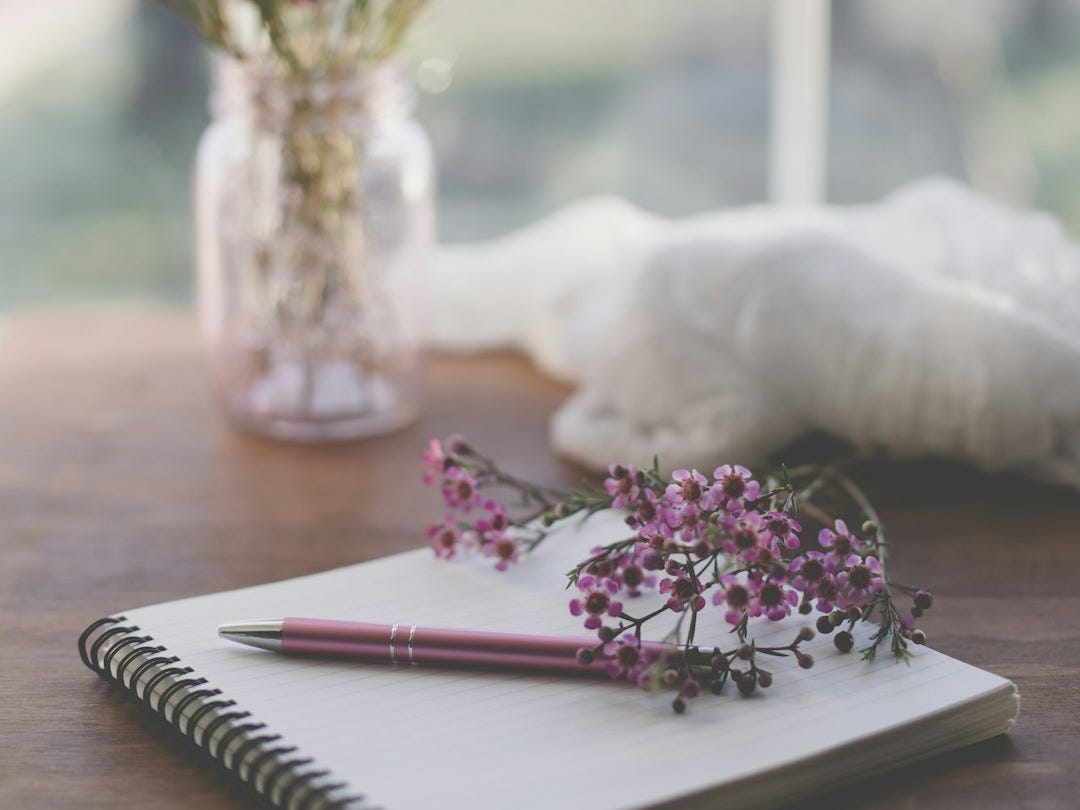
The benefits of journaling
I often wonder if the world wouldn’t be a better place if we all journaled a little…
I was eight or nine years old when I got my first journal; it was pink, with green and yellow flowers and a small silver lock. It was a gift from my mum for my First Communion.
“What do I write?” I remember asking her.
“Whatever you want: how your day was, how you feel, what you did…” she answered. “It’s for you, and you alone”.
It was the first time I experimented with writing down my thoughts, ideas, and feelings beyond school essays and the little stories I liked to write in scraps of paper.
I still have that first journal, and when I look at it now, many years later, I love seeing how honest and raw my writing already was, and how little Laia experienced the world.
I didn’t know it then, but I know now that journaling can be a very helpful tool, no matter how old you are or how you choose to do it:
Journaling is an excellent way to dump whatever is on your mind, helping you take the edge off strong emotions.
When you journal regularly, it can help you understand your feelings and behaviours.
It can help you remember ideas! No need to keep it all in your head (or forget it).
Journaling helps you clarify your thoughts, eventually becoming more objective, helping you distinguish between how you feel about a situation and what is actually real.
It can help you catch your inner critic, becoming more aware of how you talk to yourself and about yourself.
When journaling, you can gain insights and find mental clarity.
It can be a place to practice gratitude or affirmations.
You can use it to record wins, big and small, to remind you of how far you’ve come.
Journaling as a mindfulness practice
Although I filled several journals from my childhood to my teenage years, when I went on tour, I stopped, probably worried for the first time that someone could get a hold of the pages and share my deepest feelings with everyone.
But just like I returned to the ice a few years after being burned out, I eventually also returned to journaling, and it was thanks to my 200-hour Yoga Teacher Training.
We were invited to establish a daily spiritual practice, a Sadhana, and by my mentor’s recommendation, journaling reappeared in my life, this time as a more intentional habit to help me find clarity every morning before stepping onto my yoga mat.
Eventually, in 2020, thanks to Julia Cameron and The Artists’ Way, it became a staple in my daily morning routine, taking the form of Morning Pages, and I’ve journaled almost every day since.
How to journal
If you’ve never journaled or have not been able to stick to it as much as you’d like to, I invite you to choose a time of day to pause with a cozy drink, set a 5-minute timer, grab your journal and favourite pen, and let go of any preconceived ideas you may have about journaling.
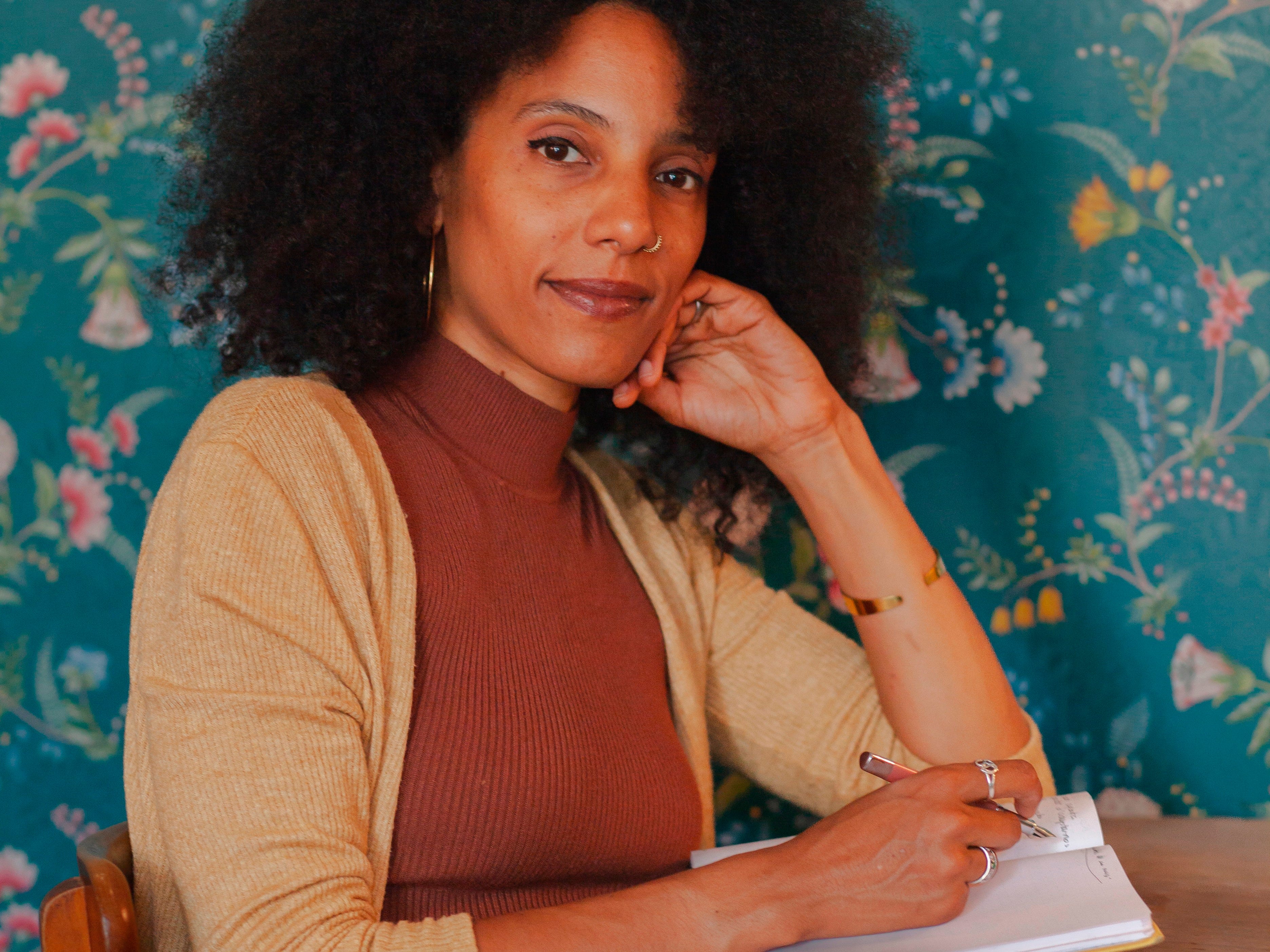
Choose one of the following:
Set an intention by asking yourself, what do I want to cultivate today?
Write a few things you’re grateful for.
Free write without censoring yourself.
Try one of these prompts:
How do I feel today? (morning prompt)
What’s worrying me today? (morning prompt)
What went well today? (evening prompt)
What did I learn today? (evening prompt)
What do I need to let go of? (any time)
Things I love about myself (any time)
So my invitation for this week is to establish your journaling schedule, whether you choose daily, weekly, or once a month, and stick to it for a while to observe any shifts.
Journaling is a practice that can help you write more freely and without fear, developing a better relationship with yourself and others, and letting go of perfectionism. It can help you build a habit that goes beyond putting your thoughts and feelings on paper, changing your entire life.
I’d love to know; what’s your relationship to journaling? Do you like it? Do you resist it? Will you give it a try?
I hope you’ve enjoyed this piece. Thank you for reading The Pause.
Until we meet again, pause often, breathe deeply, and be kind, especially with yourself.
Much love,
Laia. 💛
If you enjoyed this post and want to support my work, you can buy me a Ko-Fi. ☕
or
I got my first journal as a kid as well and have journaled since, with some shorter breaks at times. Sometimes journaling feels dull, boring and uninspiring to me, but sometimes it feels like a whole therapy session and I get up from writing and have a new plan, clarity or motivation for whatever was heavy on my heart and mind. What i love is that its so easily to access for a lot of people, you just need a pen and paper and no experience or training for it. Loved your post btw and send it so some friends.
I always feel OFF when I don't journal. It is ignoring my soul.