

Slow Productivity: Why Rest and Play Fuel Your Creativity
Because your best ideas often arrive when you’re not ‘working’ at all.

Hello, my friend, and welcome to The Pause and the final chapter of the Summer Slow Productivity Series (even though it is no longer Summer 😝)
Over the past few weeks, we’ve explored ways to move at a more sustainable pace: clearing space with Morning Pages, aligning work with Energy Mapping, focusing with Pomodoro Sprints, prioritizing through the Eisenhower Matrix, and celebrating progress with the Done List.
Today, I want to close with the most overlooked yet essential piece of a slow, creative and productive life: rest and play.
Toni Morrison once said, “You are your best thing.” To me, that’s a reminder that my worth and creativity aren’t measured only in output. They’re nourished when I allow myself to step back, breathe, and let life flow through me.
Rest: The Root of Creativity
Although it has become an expensive fad, rest isn’t a luxury: it’s the soil where new ideas take root. Without space to rest, our energy is depleted, and even the most exciting projects can feel like a burden.
If you need a little science to convince you, from a physiological perspective, rest is when the body shifts into parasympathetic mode, often called “rest and digest.” This is where the heart rate slows, breathing deepens, muscles release tension, and the nervous system repairs itself.
Sleep and intentional pauses allow the brain to process memories, clear out toxins through the glymphatic system, and even form new connections. Rest literally reshapes the brain to be more creative and resilient.
When we ignore this, we keep ourselves locked in the stress cycle, running on adrenaline, cortisol, and caffeine. That’s when burnout creeps in, leaving you tired and disconnected from your work.
🌿Ways to practice rest in daily life
Although a vacation every once in a while is necessary, I like to approach rest as an integral part of my routine, hence, I have had to figure out a variety of ways to weave it into my daily life in a way that is beneficial, yet doesn’t feel like yet another chore to add to my calendar.
Here are some of my ways to rest:
Micro-rest: Step away from the desk for five minutes to stretch, sip water, look outside, or simply close your eyes.
Cyclical rest: Align with natural rhythms: take a longer break after a big project, rest on weekends, or create seasonal pauses to shift gears and recallibrate.
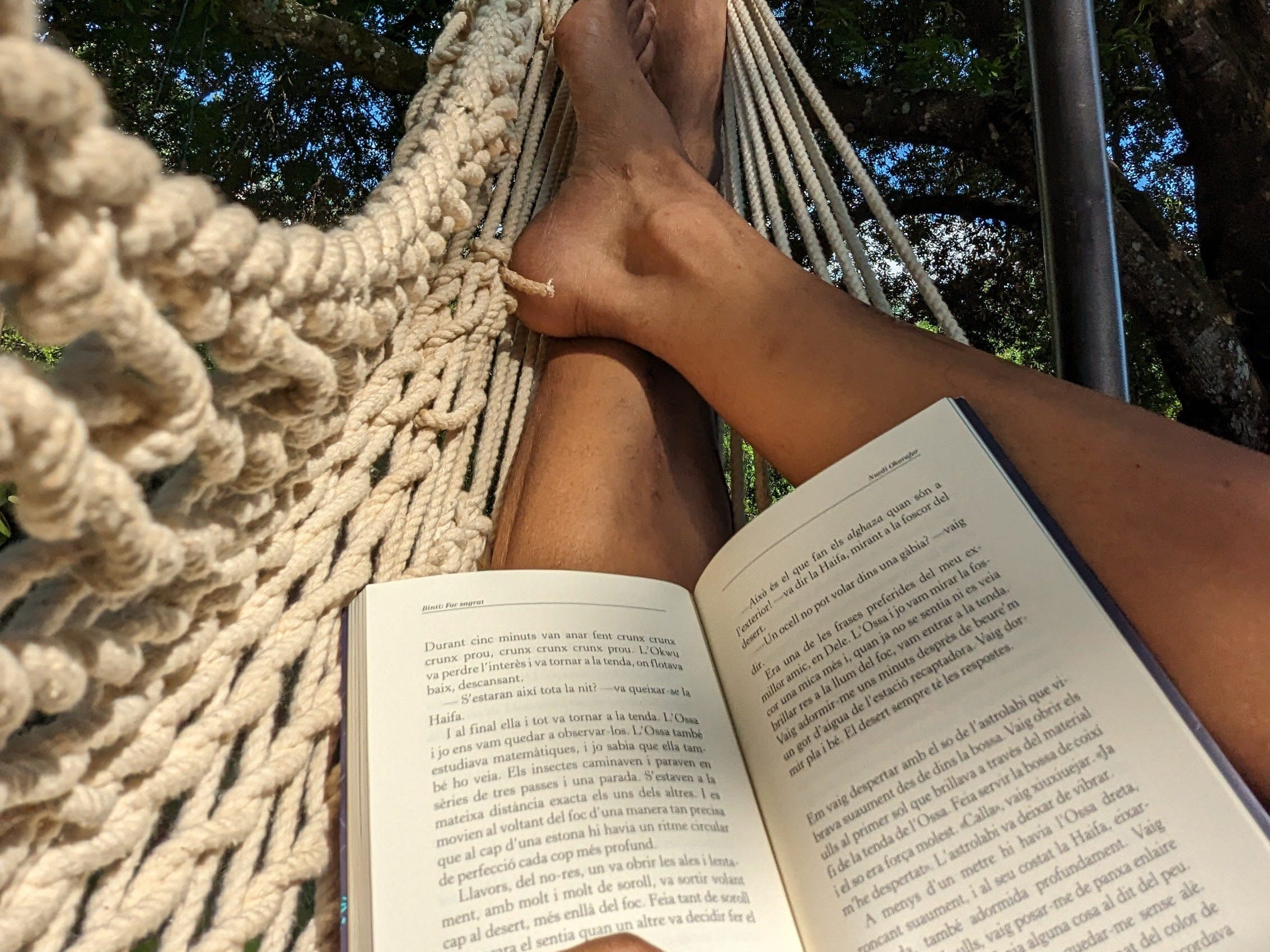
Creative rest: Switch to a gentler activity: reading fiction, listening to music, sitting outside… that restores your energy without demanding much of you.
Full rest: Sleep, naps, or days off where you allow your nervous system to recover truly.
👉🏾 Think of rest as maintenance, not indulgence.
Play: The Spark of Imagination
If rest restores, play ignites.
Personally, I love to play all the time, I’m not sure who decided that as we grow older we should become not only boring, but bored.
Play is great for all ages, because it reawakens your curiosity: when you’re engaged in playful activity, the brain releases dopamine, a neurotransmitter that fuels motivation and learning, and that’s why breakthroughs often arrive while you’re doodling, moving, or laughing with friends rather than staring at a screen.
Play rewires the brain for creativity.
It strengthens neuroplasticity, allowing you to make new connections and think outside habitual patterns. Without it, work becomes rigid. With it, your imagination stays alive.
“To be playful and serious at the same time is possible, and it defines the ideal mental condition.” Bell Hooks
🎊Ways to invite more play:
If you want to introduce more play into your life and don’t know where to start, here are a few suggestions to inspire you:
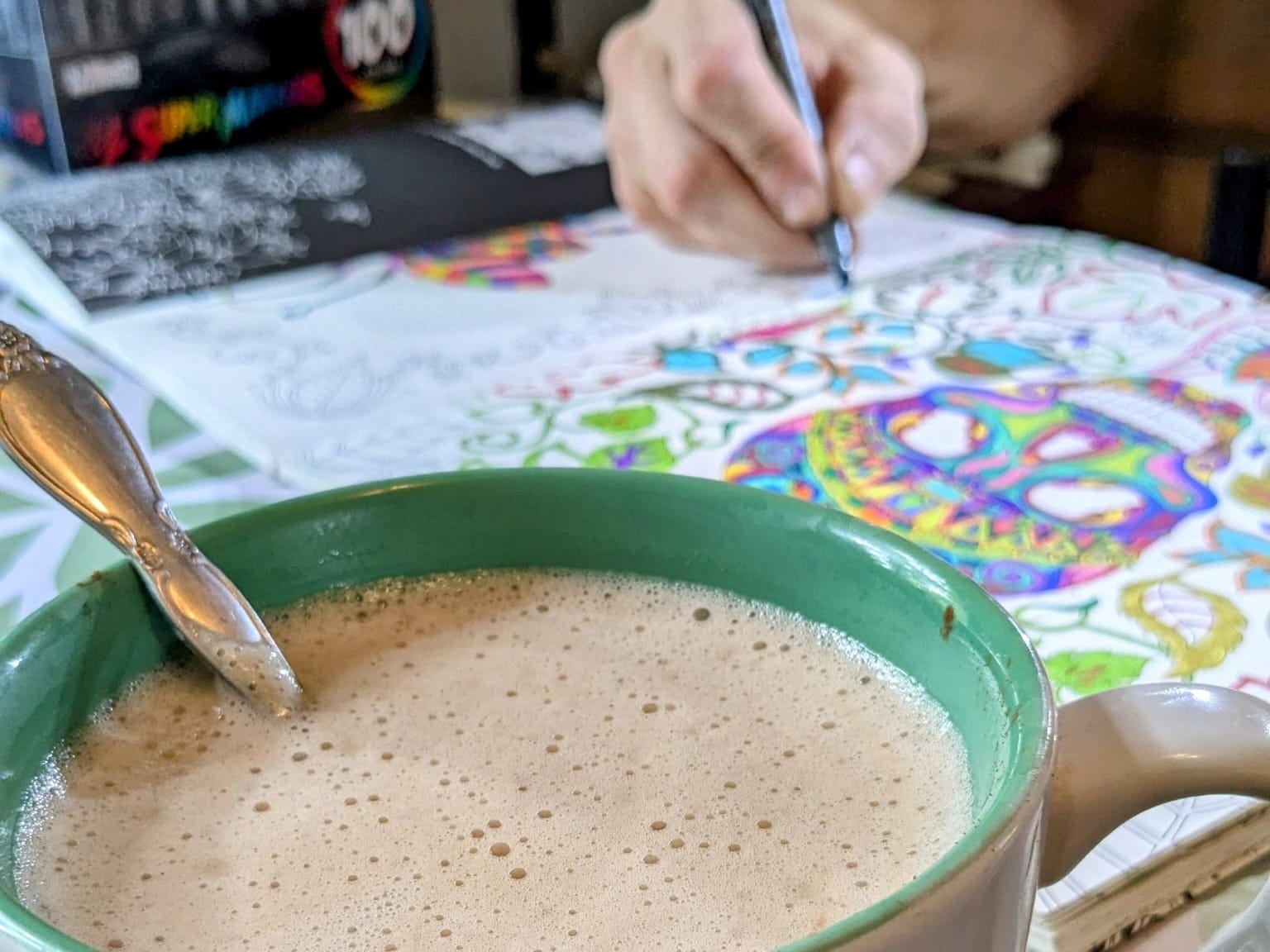
Unstructured play: Dance, doodle, or sing. Do something with no goal and no audience.
Playful work: Add lightness to what you’re already doing by experimenting with colours in your notes, setting a fun timer to help you get work done, or use a motivating music playlist.
Social play: Laugh with a friend, play a board game, or share stories. Creativity thrives in connection.
Movement play: Try shaking, skating, yoga, walking barefoot in the grass… Movement frees up the mind.
👉🏾 Play is the antidote to the pressure of “should.” It reminds us that creating can feel light, alive, even fun.
Try This Week
Rest and play can sound simple in theory, but they’re often the first things we sacrifice when life gets full. The truth is, weaving them into our days doesn’t have to be complicated. Small, intentional pauses and moments of joy add up to big shifts over time.
To get you started, here are a few easy practices you can experiment with this week:
Schedule a true pause: Block 30 minutes to an hour in your calendar this week for a nap, a slow walk, an artist date, or any other restful or playful practice of your choice. What could you use more of in your life right now?
Experiment with “micro-rest”: Try one 5-minute break every 90 minutes of focused work: stretch, breathe, or close your eyes.
Plan a joyful activity: Something lighthearted (board games, dancing, sketching) that has no outcome attached.
Notice the impact: At the end of the week, reflect on how rest and play shifted your energy, mood, or creativity.
Closing Reflection
What I’d like for you to remember is that rest and play are not separate from productivity. They are the anchors that make everything else possible.
Over these past weeks, we’ve tapped into tools that help you clear, focus, prioritize, and celebrate. But without pause and joy, those tools lose their power.
So as you continue to explore slow productivity and how it can fit into your life, honour your rhythms, protect your energy, and remember that creativity thrives when it has space to breathe.
I hope that you’ve enjoyed the Summer Slow Productivity Series, and that you have found at least one tool that will help you find a rhythm that suits your life.
Until we meet again, pause often, breathe deeply, and be kind, especially to yourself.
Much love,
Laia.